Brave the Elements with Joyful Mini Outings
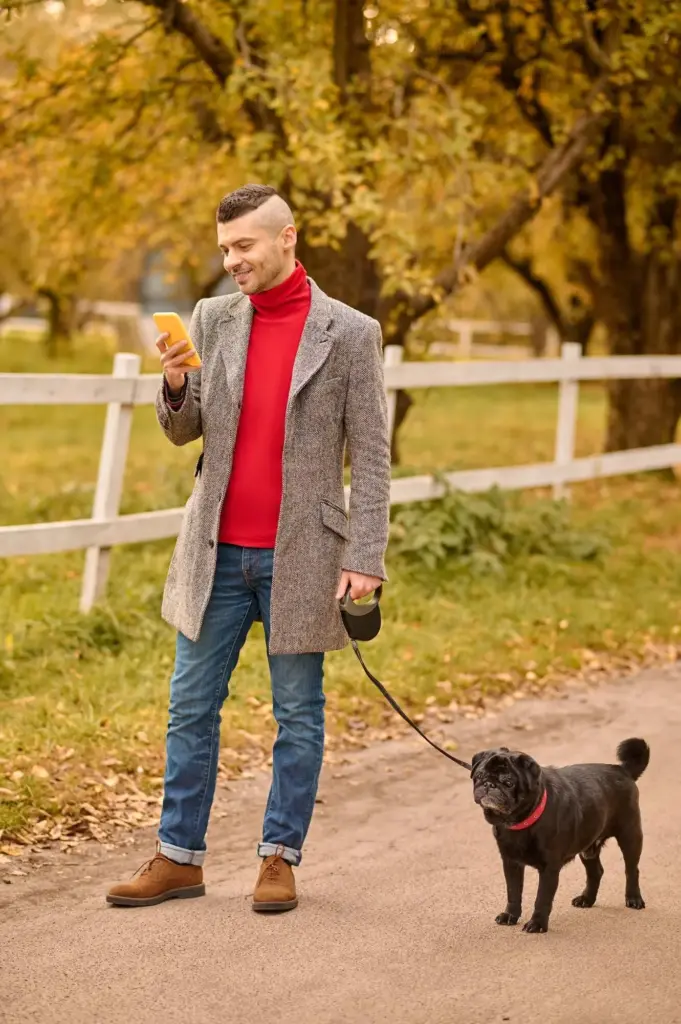
Micro‑routes that dodge the worst
Timing windows using real‑feel cues
Waterproofing that actually works
Routes that minimize splash and stress
Post‑walk drying ritual that prevents problems
Rain Play, Not Rain Delay
Snow, Ice, and Cozy Confidence
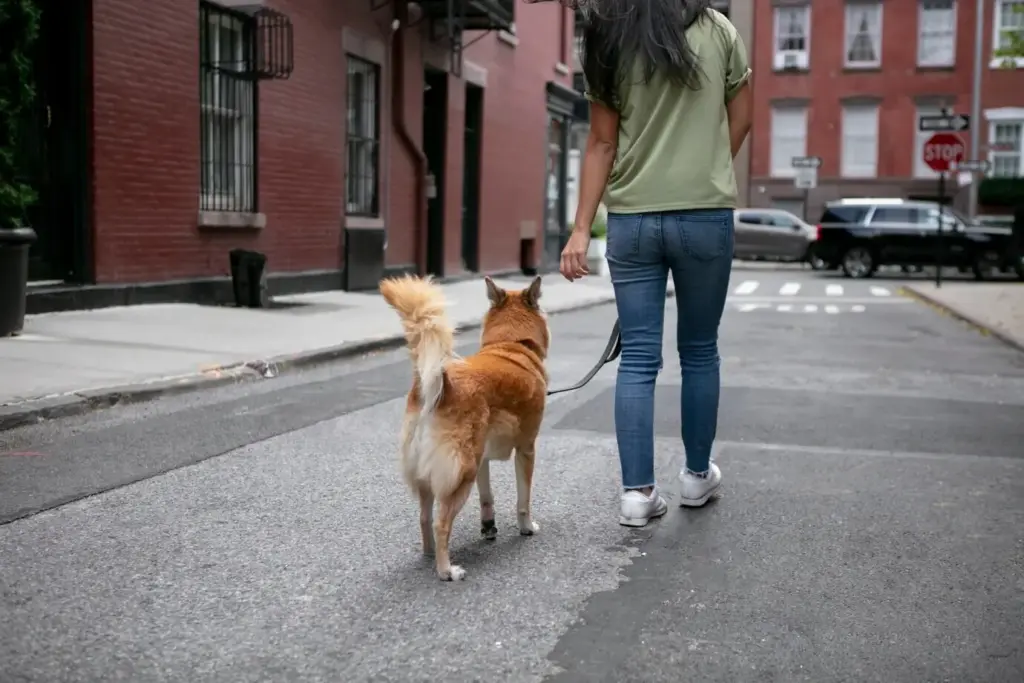
Warmth without bulk
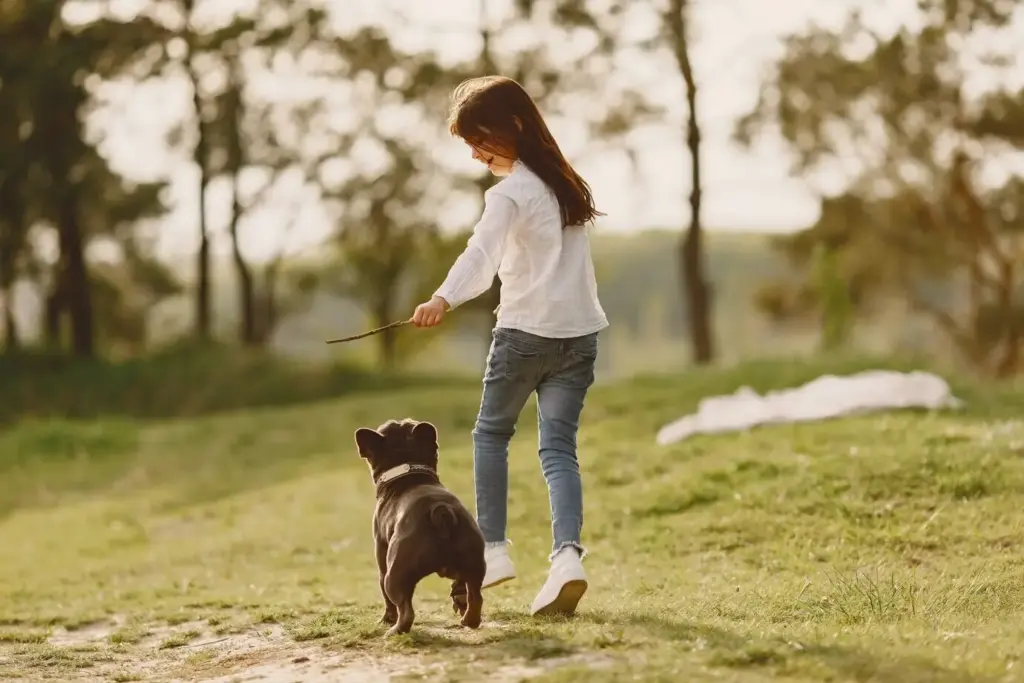
Paw protection strategy that sticks
Traction and pace on slippery days
Heat‑Smart Walks in the Sun
Tiny Outings, Big Enrichment
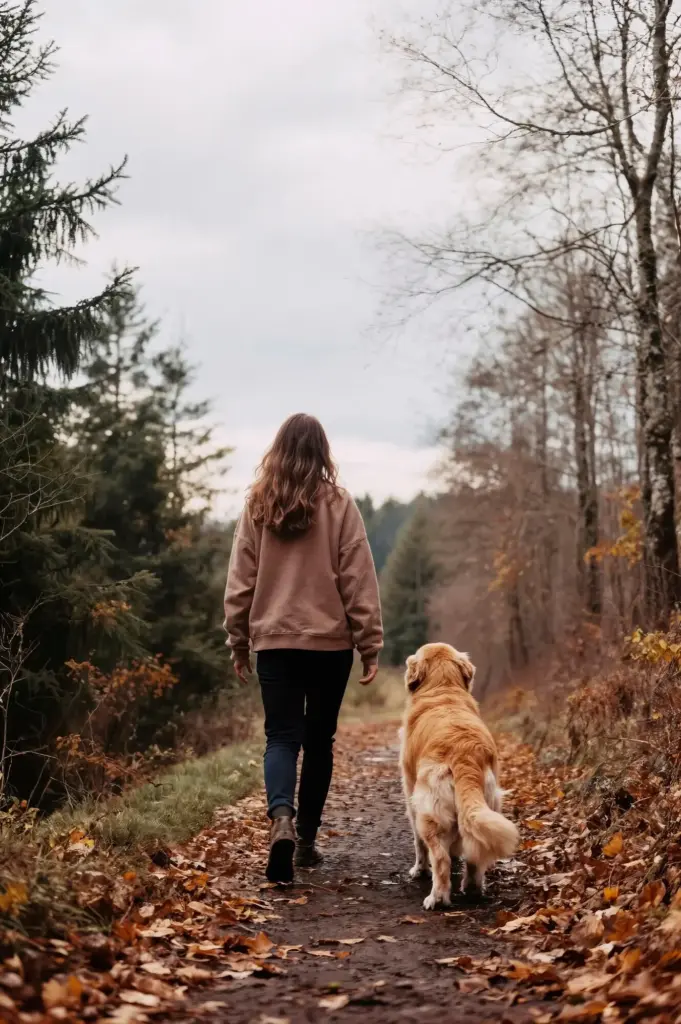
Sniff‑first strategy
Two‑minute training stack
Homecoming calm‑down ritual
Know the signs before they escalate
Commit to stopping at the earliest warning: excessive panting, glazed eyes, drooling, wobble, vomiting, bright red gums, or sudden quietness in heat; shivering, tucked tail, stiffness, slowed responses, or pale gums in cold. Call your vet if recovery lags despite shade, warmth, or water.
Tailoring for different dogs
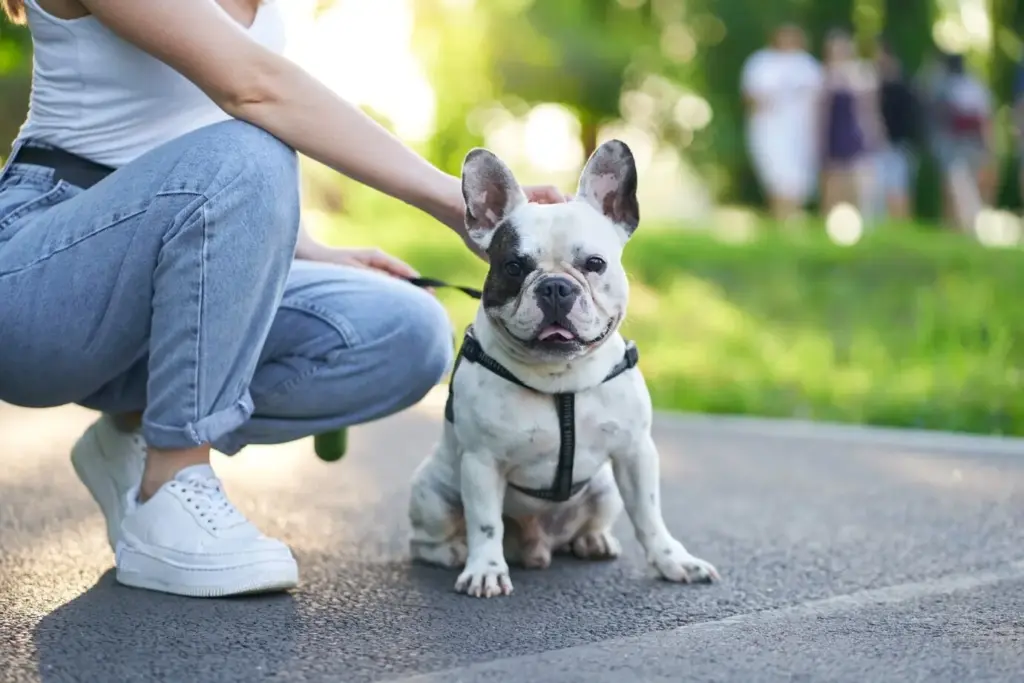
Adjust plans thoughtfully: brachycephalic dogs overheat quickly; slender, short‑coated breeds chill easily; dense double coats insulate yet trap moisture; puppies and seniors fatigue faster. Shorten distance, raise rest ratios, prefer harnesses for gentle assists, and choose routes with forgiving footing and quick exits back indoors.
Share, learn, and celebrate together
Join the conversation: share routes with better shade or wind breaks, rain gear that truly holds up, and snowy shortcuts with reliable traction. Post photos, ask gear questions, subscribe for seasonal checklists, and help map safer micro‑adventures that keep neighbors and their dogs smiling.