Noses to the Ground, Streets Sparkling
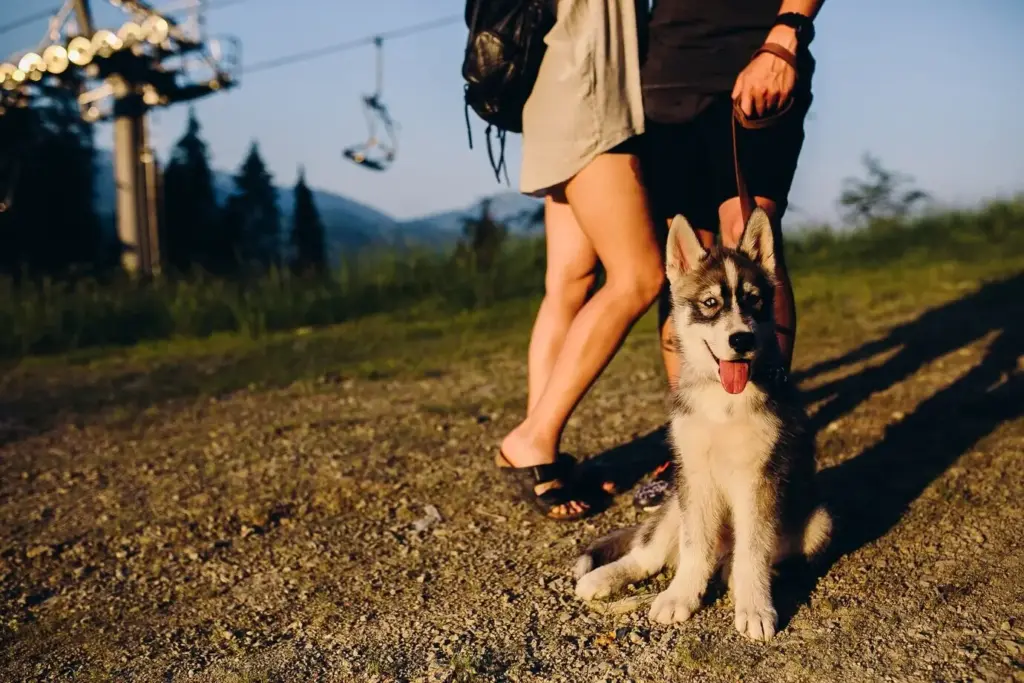
Join us as we dive into Community Sniffari Clubs and Cleanup Walks: organizing neighborly dog outings where curious noses lead the route and litter bags leave each block brighter. Expect practical steps, heartwarming stories, simple training ideas, and playful ways to build lasting friendships between humans, dogs, and streets.

Understanding Canine Enrichment

On a true sniffari, the nose sets the tempo. Slow, zigzag paths let dogs read neighborhood news written in scent, satisfying deep foraging instincts and reducing frustration. Five seconds of sniffing can rival a sit-stay for focus, creating calmer greetings, looser leashes, and happier walkers who see their block through whiskered curiosity.

Litter Pickup With Purpose

Turning cleanup into a friendly ritual reduces microplastics, discourages repeat dumping, and sparks surprising sidewalk conversations. Portable grabbers, puncture-resistant gloves, and bright buckets signal shared care; meanwhile dogs practice settle breaks, impulse control, and recall between sniffs. Kids count wrappers like treasure, then celebrate wins with stickers, dog treats, and neighborly gratitude.

Shared Benefits You Can Feel

Pairing enrichment and service multiplies joy. Dogs return home brain-tired, not just paw-tired. Humans report lower stress and easier small talk while moving side by side. Cleaner gutters reduce flooding, tidy parks invite play, and the ritual becomes the weekly heartbeat that welcomes shy newcomers with wagging tails and ready smiles.

Why Sniffaris and Cleanups Belong Together

Let dogs do what they do best—sniff—while neighbors do what communities do best—care. Pairing exploratory, scent-led walks with gentle litter pickup turns a routine outing into enrichment for dogs and service for people. It lowers arousal, boosts polite manners, invites conversation, and makes sidewalks safer, cleaner, and wonderfully more interesting for tails and toddlers alike.

From Idea to Friendly Pack

Gathering Interest and Setting Expectations

Knock kindly, post a cheerful note, or message your building chat with a welcoming invite that explains slow sniffing, short distances, and inclusive cleanup roles. Emphasize dog comfort first, human patience always, and that anyone can peel off early without guilt, leaving only neighborly waves and a cleaner curb.

Simple Schedules and Easy Signups

Consistency builds comfort. Try the same weekday evening and a rotating Saturday morning, then collect RSVPs via a shared calendar or messaging poll. List pace, duration, weather policy, and whether reactive dogs get early starts. Clear expectations prevent surprises and keep tails wagging, even when calendars wobble a little.

Volunteer Roles That Feel Light

Invite a route scout, a gear keeper, a photo sharer, and a check-in buddy who greets newcomers kindly. Keep tasks brief and joyful so no one burns out. Rotate monthly, celebrate small contributions, and keep leadership open, transparent, and playful enough that responsibility feels like friendship rather than work.

Leashes, Buckets, and Nose-Work Tools

Dog Essentials and Enrichment Props

Pack high-value treats, a silicone lick mat for decompression pauses, and a snuffle scarf for stationary scent puzzles when the group stops. Bring spare poop bags, booties for icy sidewalks, and a familiar mat that signals rest. Small comforts help sensitive dogs settle while humans tidy the block together.

Cleanup Supplies That Actually Work

Lightweight grabbers save backs and keep hands clear for leashes. Color-coded buckets separate recyclables, glass, and landfill items, teaching kids stewardship on the go. Add sanitizer, mini first-aid, and a laminated emergency card. Share extras generously so newcomers feel welcomed, equipped, and proud to leave the street brighter.

Safety and Visibility for Everyone

Reflective bands on leashes, clip-on lights for collars, and bright vests help drivers see the group. Establish a buddy system for road crossings, and choose quieter streets at dusk. Keep emergency contacts handy, and review a simple contingency plan so surprises become manageable moments rather than stressful detours.

Calm, Curious, and Kind on the Walk
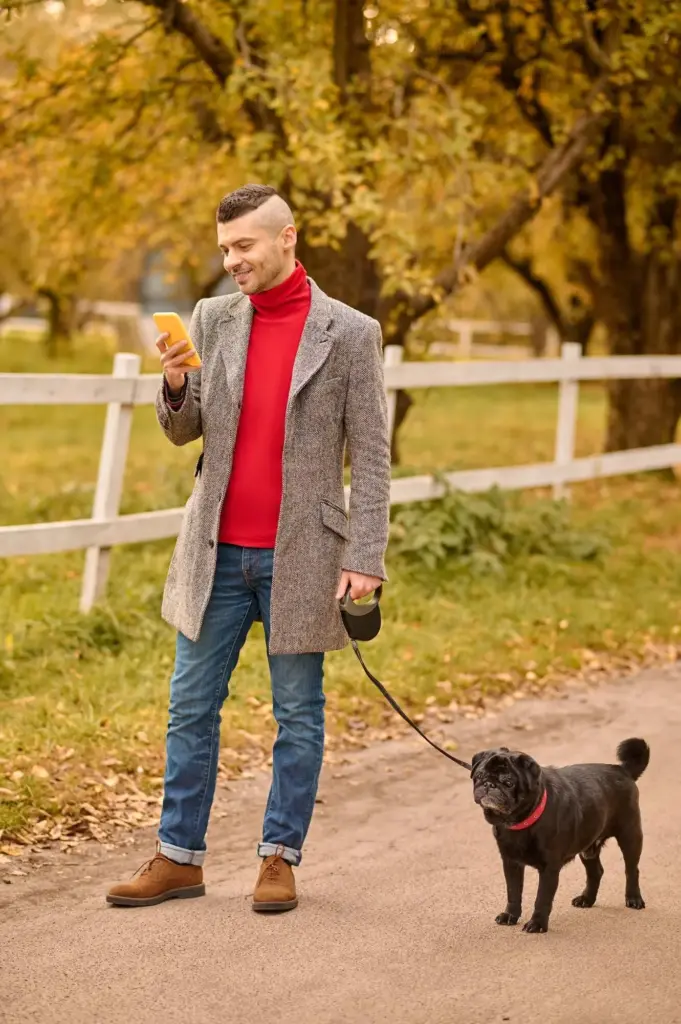
Group walks succeed when emotions stay soft. Use scatter feeding near big distractions, let dogs sniff instead of forcing heeling, and give generous distance to reactive pups. Normalize opt-outs, short loops, and decompression breaks. When pressure drops, learning blooms, bonding deepens, and litter disappears almost as a side effect.

Measurable Good on Every Block

Track your wins to stay motivated and secure support. Count bags filled, note recurring hotspots, and record dog-friendly improvements like repaired bins or new native plantings. Stories matter, too: a shy rescue greeting a neighbor, a child beaming over rescued bottle caps, or a park path finally walkable again.

Spreading the Word Without the Bark

Flyers, Chalk, and Micro-Events

Print one-page invitations with large dates, short details, and a friendly QR code. Chalk temporary arrows to guide first-timers, then host five-minute demo stops about scent games or safe pickup. Short, playful experiences convert curiosity into attendance without speeches, sales pitches, or intimidating expectations for new participants.

Online Groups That Feel Safe

Create a simple code of conduct, ask for dog names and preferred space levels, and moderate kindly. Share route maps, weather calls, and gear lists in one pinned post. Encourage check-ins after walks, celebrating progress and posting found items turned in, reinforcing trust and communal care online and offline.

Photos, Challenges, and Thank-Yous

With consent, share before-and-after shots, snout-close flower photos, and proud bucket selfies. Try monthly scent bingo or can-count challenges with silly prizes. Publicly thank helpers by name, including the quiet ones carrying backups. Gratitude keeps momentum high and reminds everyone that small actions stack into visible neighborhood change.

Keeping Momentum Month After Month

Longevity depends on light logistics and playful variety. Rotate routes, celebrate anniversaries, and build in rest weeks. Share leadership, collect feedback, and keep goals realistic during holidays or heat waves. When the cadence feels humane, people return eagerly, dogs arrive relaxed, and sidewalks steadily reflect the care invested.

Rotating Leaders, Preventing Burnout

Pass the baton monthly with a simple handover checklist covering route maps, gear status, and contact lists. Encourage co-leads so responsibilities feel shared. Recognize life changes openly, invite rests without guilt, and back each other up. Healthy pacing protects kindness, creativity, and the patient energy dogs truly need.

Seasonal Focus and Fresh Curiosity

Lean into changing scents, from early blossoms and rain-washed soil to autumn leaves and winter woodsmoke. Adjust cleanup goals to shifting litter patterns after storms or festivals. Share naturalist tidbits, plant identifications, and animal tracks, turning each walk into a gentle lesson that delights both noses and neighbors.

Finding Support and Small Funding

Ask local businesses for gloves, buckets, or dog treat donations, and thank them with storefront shout-outs and photos. Apply for micro-grants through neighborhood associations or environmental groups. Modest resources stabilize supplies and signal legitimacy, inviting more participants and partnerships without changing your welcoming, low-barrier character.
Tulufirotuvazaluvatale
Privacy Overview

This website uses cookies so that we can provide you with the best user experience possible. Cookie information is stored in your browser and performs functions such as recognising you when you return to our website and helping our team to understand which sections of the website you find most interesting and useful.